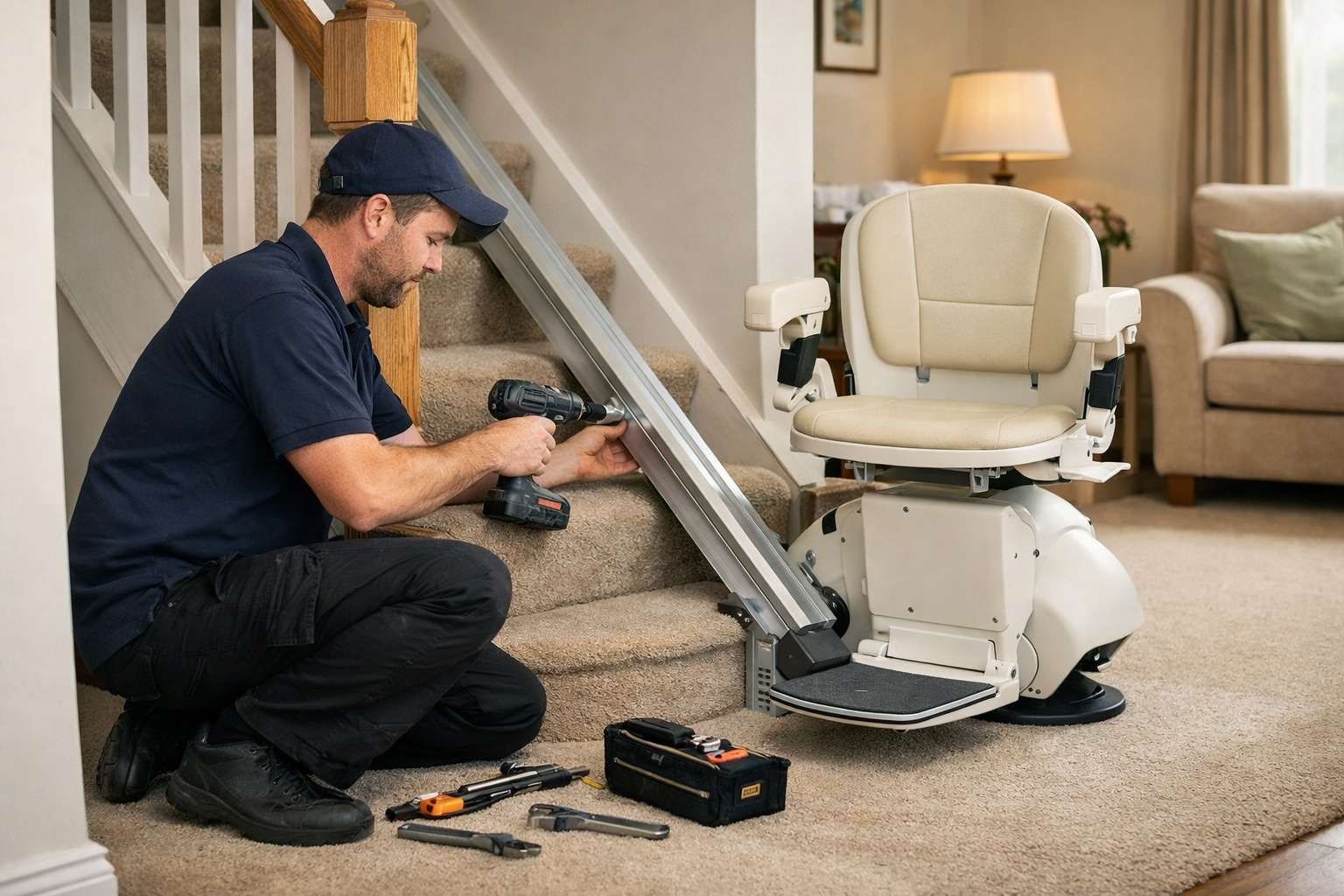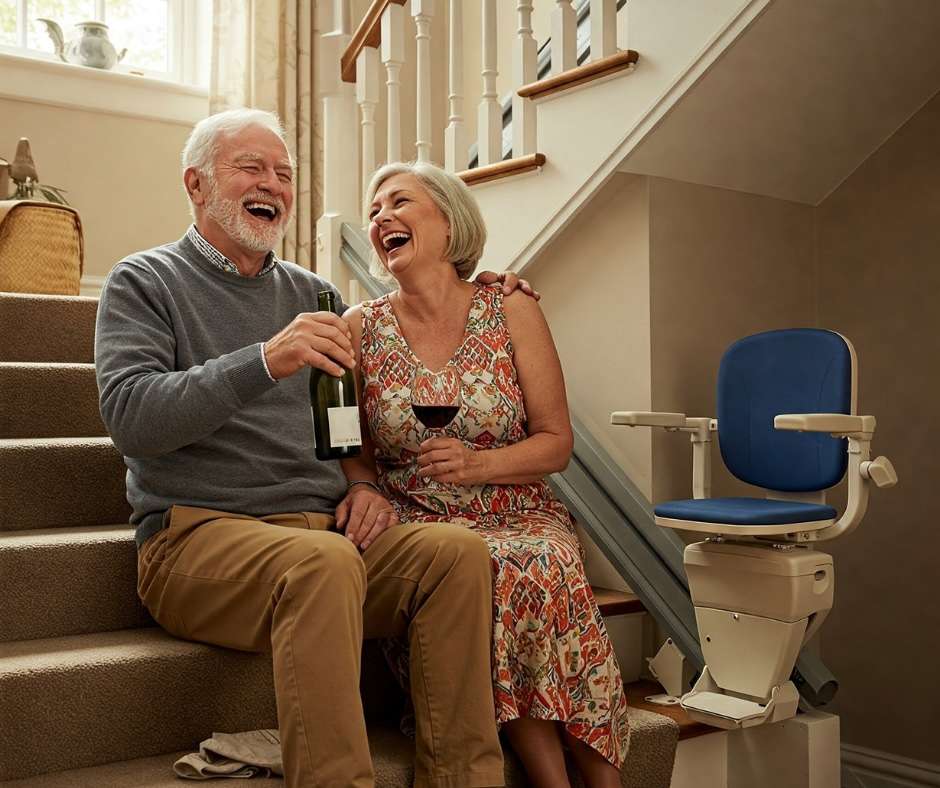
Across the UK, more families are facing a difficult reality: many homes simply aren’t built to support people as they age or experience mobility challenges. According to the Centre for Ageing Better’s State of Ageing 2025 report, more than 500,000 homes in England headed by someone over 55 pose a significant falls risk on stairs – roughly the equivalent of every household in Birmingham. As a result, thousands of people are being forced to adapt the homes they already live in, and for many, stairs are the biggest obstacle.
Rather than moving away from familiar surroundings or considering residential care, more people are choosing practical home adaptations that allow them to stay safe, independent, and comfortable. One solution is becoming increasingly essential: the stairlift.
The Hidden Problem With Stairs in UK Homes
Stairs are one of the most common causes of falls in the home, particularly for older adults and people with reduced mobility. Even a minor fall can have serious consequences, from long recovery times to a loss of confidence that affects everyday life.
The same Centre for Ageing Better analysis found a significant postcode lottery too – owner-occupiers aged 55 and over in the East of England are up to 11 times more likely to live in a home with a heightened falls risk than those elsewhere. For people living in two-storey homes, this can slowly lead to parts of the house becoming unusable – bedrooms, bathrooms, or even access to the front door.
This is why stairlifts are no longer viewed as a “last resort” solution, but as a preventative measure that helps people stay active and independent.
Why More People Are Choosing Stairlifts
With accessible housing in short supply and long waiting times for relocation, stairlifts offer a practical and fast solution. Modern stairlifts are designed to fit neatly into existing homes, whether the staircase is straight or curved, narrow or steep.
A stairlift can:
- Reduce the risk of falls on stairs
- Restore access to all areas of the home
- Remove the daily anxiety of climbing up and down
- Allow people to remain in their own home for longer
For many families, installing a stairlift is the key factor that avoids a move into assisted living or residential care.
Help With the Cost: What Support Is Available?
One concern many households have is the cost of home adaptations. The good news is that financial support may be available through local councils.
In England and Wales, Disabled Facilities Grants (DFGs) can help cover the cost of essential adaptations, including stairlifts, for eligible applicants. The grant is means-tested and assessed by the local authority, but it can make a significant difference for those who qualify.
You can read the official government guidance at gov.uk/disabled-facilities-grants.
Understanding what support is available early on can make the decision-making process far less stressful.
Staying Independent in an Uncertain Housing Landscape
With the UK’s accessible housing shortage unlikely to be resolved quickly, home adaptations are playing a crucial role in helping people live safely and independently. Stairlifts are not about giving up independence – they’re about protecting it.
For anyone struggling with stairs, or supporting a loved one who is, exploring stairlift options sooner rather than later can prevent accidents, reduce stress, and restore confidence at home.
Got a question about your stairlift?
Whatever you’re trying to work out, our team gives honest advice with no pressure – get in touch and we’ll help however we can.