When people think about stairlifts, the first thing that comes to mind is usually practical: getting safely up and down the stairs. But talk to anyone who’s actually had one fitted, and you’ll often hear something different. It’s rarely just about the stairs. It’s about whether you can still get to your own bedroom, your own bathroom, without asking someone else for help.
That distinction matters more than it might sound.
What Losing Access to Part of Your Home Actually Feels Like
When stairs become difficult, it doesn’t happen all at once. It’s usually gradual – avoiding a second trip upstairs, thinking twice before going up for something, eventually moving a bed downstairs because the stairs have simply become too much of a risk or an effort. Bedrooms, bathrooms, whole floors of a home someone has lived in for decades can end up quietly off-limits.
This isn’t a small thing. According to the Centre for Ageing Better’s State of Ageing 2025 report, more than 500,000 homes in England housing someone over 55 pose a significant falls risk on the stairs – and that risk, understandably, changes how people use their own homes long before an accident actually happens. Many simply start avoiding the stairs rather than risk a fall.
Why “Independence” Isn’t Just a Nice Word
Being able to move around your own home without asking for help is tied closely to a sense of control – and that matters for wellbeing, not just convenience. When that control is taken away by something as ordinary as a staircase, it can genuinely affect confidence, mood, and how connected someone feels to their own life.
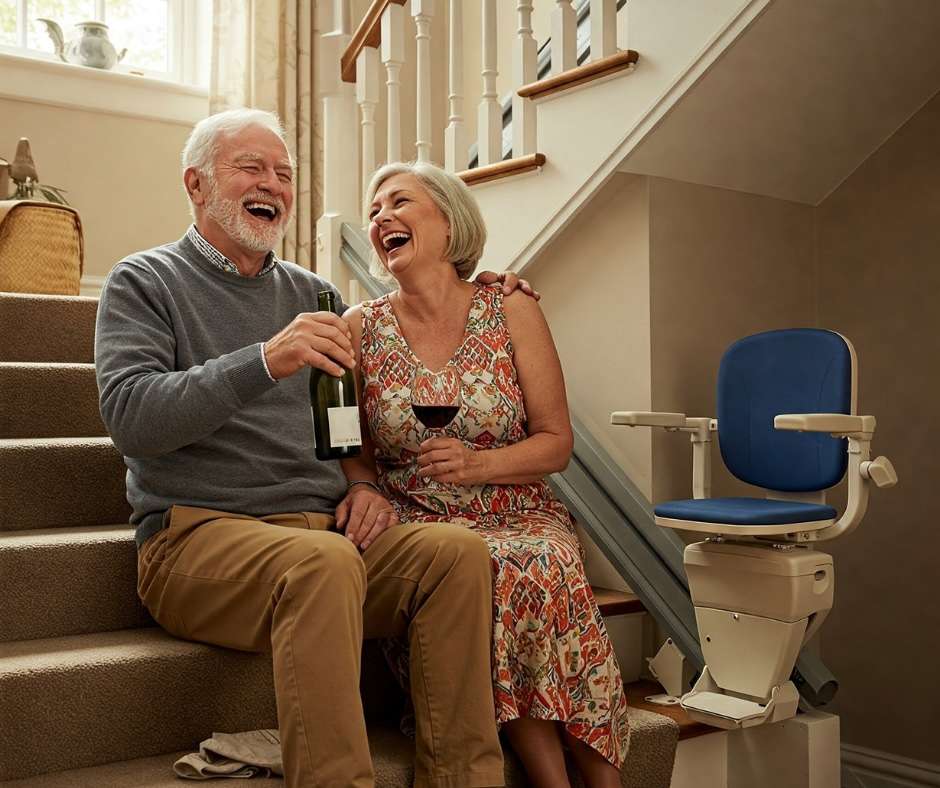
Staying in a familiar home – the one with the memories, the garden you know, the neighbours you’ve had for years – matters too. It’s often described as “ageing in place,” and for good reason: moving isn’t always the right answer, and for many people, it’s not what they want at all. A stairlift is frequently the one thing standing between staying at home and having to consider leaving it.
A Real Example
“I was worried about losing my independence. I didn’t want to feel like I was relying on anyone just to get upstairs. Gareth at Top Flight really listened, explained all my options and found something that suited my home perfectly. I wish I’d called sooner!”
Margaret, Warrington
Margaret’s story is one we hear a version of often. It’s rarely really about the mechanics of a stairlift – it’s about not wanting to feel like a burden, or like independence has quietly been taken away without anyone really discussing it.
Why This Shapes How We Work
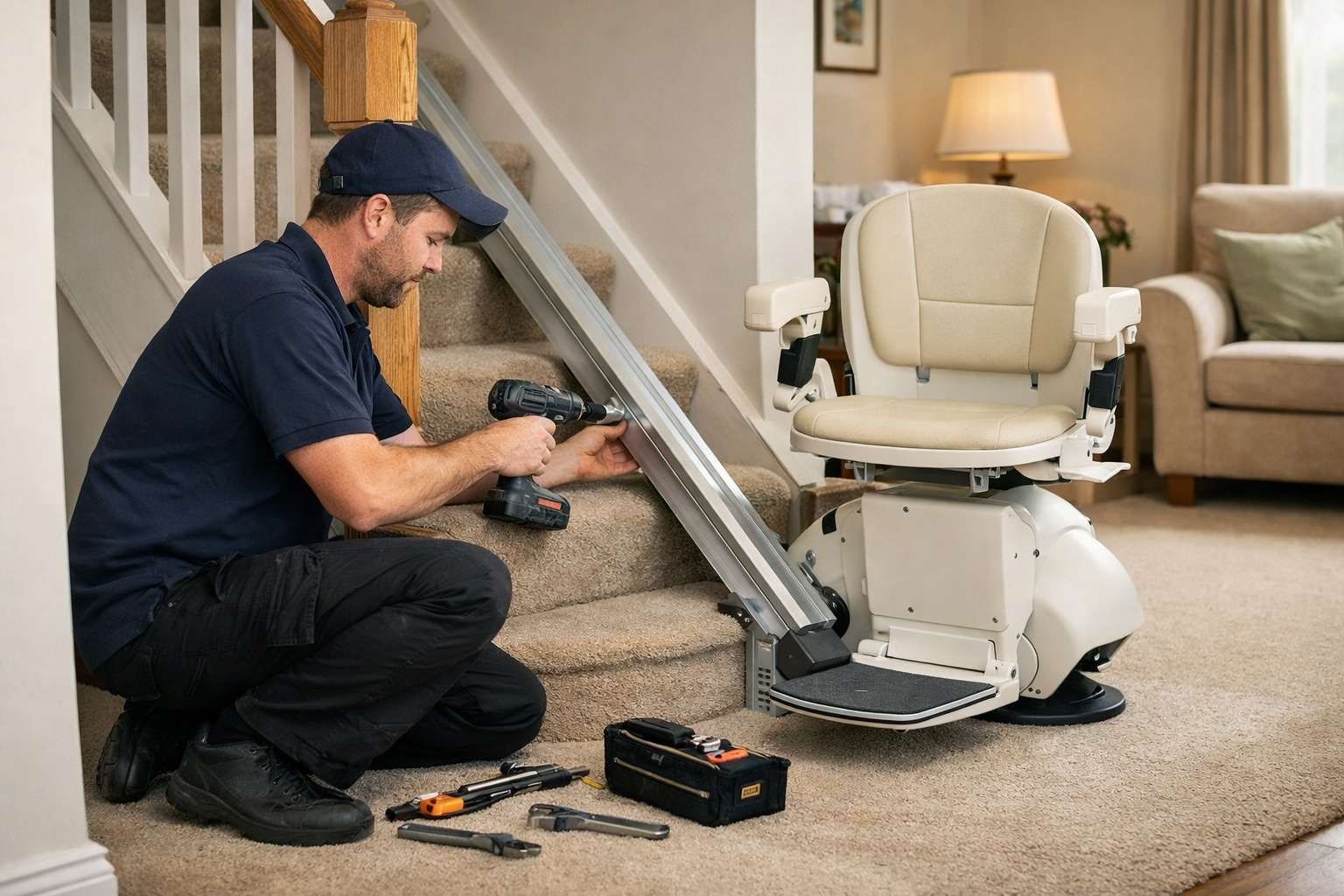
It’s a big part of why every job starts with a proper conversation, not a sales pitch. A free home survey means we actually see your staircase and understand your situation, rather than recommending whatever’s easiest to sell. Whether that’s a straight stairlift, a curved one, or a short-term rental while you weigh things up, the goal is the same: getting you back into every part of your own home, on your own terms.
If the stairs have started to feel like a barrier rather than just a part of your house, it’s worth talking to someone about it – not because a stairlift is the only answer, but because you deserve to know what your options actually are.
Got a question about your stairlift?
Whatever you’re trying to work out, our team gives honest advice with no pressure – get in touch and we’ll help however we can.